Signs of Dental Disease in Philly Cats and Dogs
Signs of Dental Disease in Philly Cats and Dogs
Caring for your dog or cat’s dental health is just as important as managing their diet or keeping up with vaccines. If you’ve ever noticed bad breath, red gums, or changes in your pet’s eating habits, you might be seeing the early warning signs of dental disease. At Liberty Veterinary Clinic, located at 8919 Ridge Avenue, Philadelphia, PA 19128, we know that dental problems can affect your pet’s overall health and happiness. In this guide, you’ll learn how to recognize the signs of dental disease in your Philadelphia dog or cat, understand what causes these issues, discover how our veterinary team can help, and find out what steps you can take at home to keep your pet’s smile healthy year-round. We’ll also share when it’s time to schedule an appointment with our veterinarians and how to get expert dental care for your pet right here in the city.
Recognizing Dental Disease in Dogs and Cats
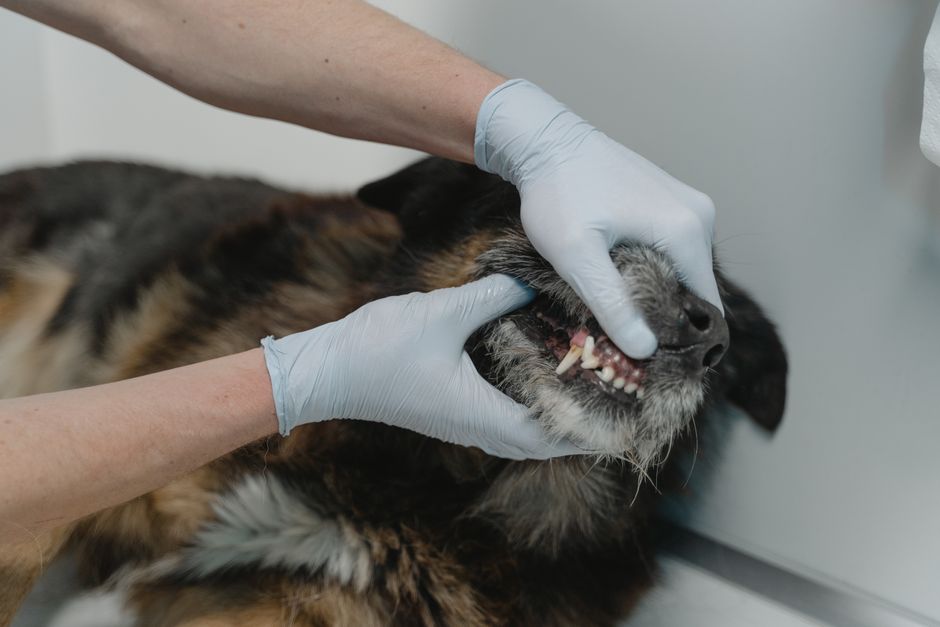
Many pet owners first notice dental disease when their dog or cat develops bad breath, but there’s much more to it than that. Dental disease often develops gradually, making it easy to overlook until it becomes more advanced. Key symptoms include persistent bad breath, red or swollen gums, visible tartar buildup on the teeth, and a reluctance to chew toys or eat dry food. In some cases, you might see drooling, pawing at the mouth, or even bleeding from the gums. For cats especially, subtle changes like decreased grooming or hiding more than usual can be an early clue that something is wrong. Dogs may drop food, chew on one side of the mouth, or yelp in pain when eating crunchy treats.
If you notice any of these signs, it’s important to remember that dental disease can cause discomfort and lead to more serious health issues if left untreated. Advanced dental problems may result in loose or missing teeth, facial swelling, or even difficulty eating. Some pets develop infections that can spread beyond the mouth, affecting organs like the heart and kidneys. Recognizing symptoms early gives your pet the best chance for a healthy, pain-free mouth.
Why Dental Disease Happens in Pets
Dental disease in dogs and cats is most often caused by the gradual buildup of plaque, a soft film of bacteria that forms on the teeth after eating. If not removed with regular brushing or professional cleanings, plaque hardens into tartar. Tartar is rough and allows even more bacteria to accumulate, leading to inflammation of the gums—known as gingivitis. Over time, untreated gingivitis can progress to periodontal disease, which damages the tissues and bone supporting the teeth.
Several factors can make some pets more prone to dental disease than others. Small breed dogs, such as Chihuahuas and Yorkshire Terriers, often develop dental problems earlier and more severely than larger breeds due to the crowded nature of their teeth. Cats are susceptible to conditions like tooth resorption, where the body breaks down tooth structure, and stomatitis, a painful inflammation of the mouth. Age is another important factor; as pets get older, their risk for dental problems increases.
Diet also plays a role. Pets that primarily eat soft foods may experience more plaque buildup compared to those who eat dry kibble or use dental chews. Genetics, underlying health conditions, and lack of home dental care all contribute to the risk as well. In Philadelphia’s urban environment, where pets may have less access to outdoor chewing opportunities, paying attention to dental health becomes even more crucial.
Treatment Options for Dental Disease at Liberty Veterinary Clinic
If your dog or cat is showing signs of dental disease, the first step is a thorough oral examination by our veterinary team. During your pet’s checkup at Liberty Veterinary Clinic, we’ll examine their teeth and gums for signs of infection, tartar buildup, and any loose or damaged teeth. In many cases, we recommend dental X-rays to assess the health of tooth roots and jawbone, since much of the disease occurs below the gum line and is not visible during a basic exam. For more information about how dental radiography can help diagnose hidden problems, visit our page on dental X-rays for pets.
Professional treatment for dental disease almost always includes a complete dental cleaning under anesthesia. This allows our veterinarians to safely remove tartar, clean beneath the gum line, and polish the teeth to slow future plaque buildup. If any teeth are severely damaged, loose, or causing pain, tooth extraction may be necessary to restore comfort and prevent further infection. You can learn more about our pet tooth extraction services and how we make the process as safe and stress-free as possible for your pet.
For pets with advanced dental disease or special conditions like stomatitis, additional treatments such as antibiotics, pain relief, or even specialized diets may be recommended. Our clinic also offers follow-up care to monitor healing and prevent recurrence, along with guidance on how to maintain your pet’s oral health at home.
Preventing Dental Disease: What You Can Do at Home
Prevention is always the best approach when it comes to dental health. The most effective step you can take is to brush your pet’s teeth at home using a pet-safe toothpaste. Even brushing a few times a week can make a big difference in reducing plaque and tartar buildup. Many cats and dogs gradually accept tooth brushing if introduced gently and with positive reinforcement. For pets who are not fond of brushing, dental diets, treats, and toys designed to promote oral health can help reduce plaque.
Regular checkups with your veterinarian are essential for catching early signs of dental disease. During these visits, your veterinarian will assess your pet’s mouth and make recommendations tailored to their specific needs. Professional dental cleanings, performed under anesthesia, are often necessary at least once a year for most pets to remove tartar and address problem areas before they become painful or infected. To find out more about our professional dental cleanings for pets, visit our website for detailed information.
It’s also important to monitor your pet for changes at home. Watch for signs like declining interest in food, changes in chewing habits, or increased drooling. Providing safe chew toys and dental treats can help keep your pet’s teeth cleaner between veterinary visits.
When to Schedule a Veterinary Visit for Dental Concerns
Knowing when to seek professional help can make a significant difference in your pet’s comfort and long-term health. You should schedule an appointment with our veterinary team if your dog or cat has persistent bad breath, red or bleeding gums, visible tartar, loose teeth, or any sign of mouth pain. Changes in eating habits, drooling, or swelling around the mouth or face are also reasons to contact us promptly.
Some dental problems develop quickly, especially if there is an infection or a broken tooth. In these cases, early intervention can prevent more serious issues and relieve your pet’s discomfort. Our veterinarians are experienced in diagnosing and treating dental disease in both dogs and cats, using the latest techniques and equipment to ensure your pet receives the best possible care.
If you are ever unsure about whether your pet’s symptoms require a visit, it’s always better to err on the side of caution. Our team is happy to answer your questions and help you decide on the next steps. For routine dental care or urgent concerns, scheduling an appointment at Liberty Veterinary Clinic is simple and convenient.
Keeping Your Pet’s Smile Healthy in Philadelphia
Dental disease is common in dogs and cats, but with proactive care and regular veterinary support, your pet can enjoy a healthy mouth and a longer, happier life. Recognizing symptoms early, understanding the causes, and partnering with your veterinarian for routine checkups and cleanings are the keys to preventing pain and health complications. By brushing your pet’s teeth at home, offering dental-friendly treats, and keeping up with recommended cleanings, you can protect your dog or cat from the discomfort of dental disease.
When you need trusted advice or high-quality dental care for your pet, our team at Liberty Veterinary Clinic is here for you. Whether you’re searching for a vet near me, or looking for expert dental services in Philadelphia, we are committed to keeping your dog or cat healthy and comfortable. If you have questions about your pet’s dental health or want to schedule a dental examination, call our team at (215) 483-1066 or visit us at 8919 Ridge Avenue, Philadelphia, PA 19128. Let us help your pet smile brightly for years to come.
This blog is intended for informational purposes only and should not be considered a substitute for professional veterinary care. Always consult your veterinarian for specific advice about your pet’s health.